How to stop a chimney leak from getting worse
A chimney leak never heals itself. Here is how to stop it from getting worse in Campbell, CA, what it costs in 2026, and when to call a roofer.
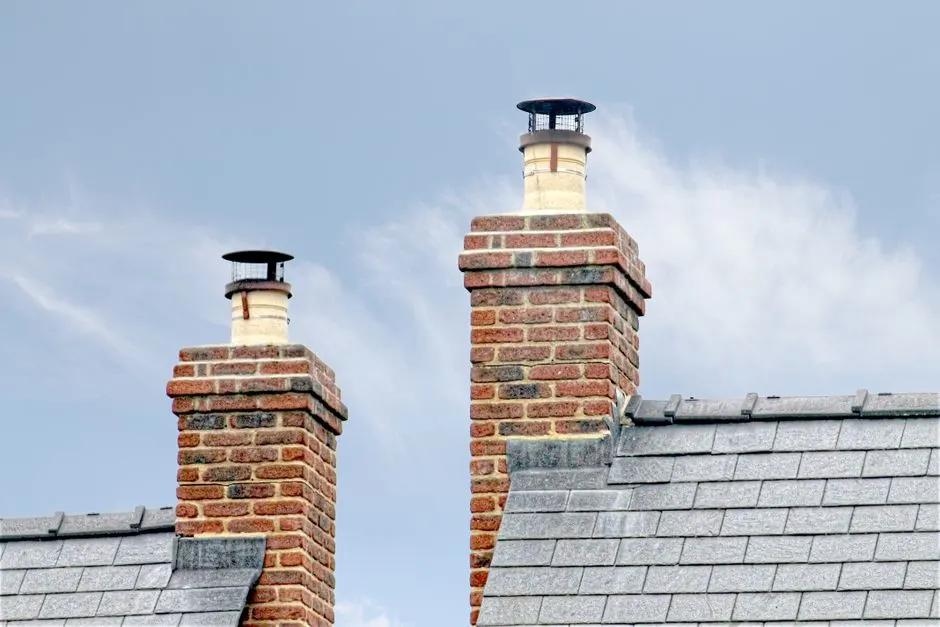
You stop a chimney leak from getting worse by cutting off the water at the source tonight, then repairing the failed flashing, crown, or counter-flashing within days, not weeks. Every extra rain cycle pushes more water into the same framing, and the repair bill grows with it.
We are Campbell Roof Protectors, and we have pulled apart enough chimney leaks in Campbell to know that the first 48 hours decide how expensive this gets. Below is the exact sequence we walk homeowners through, what it costs in 2026, and the signs that mean you should stop reading and call someone.
Why chimney leaks get worse instead of drying out
A chimney leak in Campbell gets worse because water that enters at the roofline has nowhere to drain. It soaks into the wood framing around the chase, then wicks downward into attic insulation, drywall, and sometimes the top plate of a wall.
Chimneys are water magnets by design. They punch a 3-by-3-foot hole through your roof plane, they sit above the roofline where wind drives rain sideways, and the masonry itself absorbs water like a sponge. Once the flashing seal fails, every storm adds to the total.
Three things happen at once:
- Wood rot accelerates. Framing that stays above 20% moisture content starts decaying within one to two seasons.
- Masonry spalls. Water freezes inside brick pores, expands, and pops the face off. Campbell rarely freezes hard, but the Santa Cruz Mountains foothills see enough cold nights to do damage.
- Interior damage compounds. A slow drip stains drywall in weeks. A steady leak destroys it in days.
That is why the answer to how to stop a chimney leak from getting worse is always about speed, not about finding a clever trick.
How do I stop a chimney leak from getting worse in Campbell?
Stop the water first, then stop the leak. Tarp the chimney chase, clear the attic of anything the drip can ruin, and photograph everything before you touch it. Then call a roofer who works on chimneys, because the actual fix is almost never where the stain appears.
Here is the sequence we give homeowners over the phone when they call us mid-storm.
Step 1: Contain the water inside
Put a bucket under the drip. Move boxes, holiday decorations, and insulation out of the path. If the leak is running down a wall cavity, shut off power to any outlet on that wall at the breaker.
Step 2: Tarp the chimney and the flashing collar
A 10-by-12-foot tarp draped over the chimney and weighted with sandbags or lumber will shed most rain. Do not nail or screw it into the roof. You will create new holes that leak after the storm.
Step 3: Photograph everything
Take pictures of the ceiling stain, the attic framing, and the chimney from the ground. Insurance claims and repair scopes both move faster with dated photos.
Step 4: Get a roofer on the roof within 48 hours
This is the step most people skip, and it is the one that matters. A tarp buys you a few days. It does not stop the leak. We see this constantly in the older homes around Roof Leak Repair in Downtown Campbell, where 1940s and 1950s chimneys have flashing that has been patched three or four times already.
If you are not sure whether the leak is the chimney or something else up there, our roof leak detection Campbell CA service traces the water path before anyone starts pulling shingles.
What causes chimney leaks to get worse in Campbell CA?
Chimney leaks in Campbell CA get worse because of four failure points that all degrade with the same weather: failed flashing, a cracked crown, missing or spalled mortar, and a flue cap that has rusted through. Each one lets in a little more water than the season before.
Here is what we actually find when we open these up.
Flashing failure
Step flashing and counter-flashing are the metal strips that bridge the gap between your roof and the chimney. They are sealed with roofing cement or a rubberized membrane. That sealant has a service life of roughly 5 to 8 years in Campbell's sun-and-rain cycle. When it dries out and cracks, water runs straight down the chimney chase.
Cracked chimney crown
The crown is the concrete cap on top of the chimney. Hairline cracks let water into the masonry, and one winter of wet-and-dry cycles turns a hairline into a quarter-inch gap. A crown reseal runs $300 to $700 in 2026. A full crown rebuild runs $800 to $1,500.
Spalled mortar joints
Mortar is softer than brick on purpose. It is supposed to wear first. When joints recede more than a quarter inch, water pours into the wall of the chimney. Repointing usually runs $10 to $25 per square foot of chimney face.
Rusted flue cap and damaged rain cap
A missing or rusted cap lets rain fall straight down the flue. That water lands on the smoke shelf, rusts the damper, and eventually shows up as a stain on the ceiling next to the fireplace.
If your home is in one of the neighborhoods with a lot of 1960s and 1970s construction, like Roof Leak Repair in San Tomas, we often find two or three of these failures at the same time. Fixing one and leaving the others is how a $600 repair becomes a $4,000 repair.
What to watch out for
Watch for anyone who offers to fix a chimney leak with a tube of caulk and a ladder. That is a temporary patch, not a repair, and it usually fails within one rainy season.
Other things that turn a small leak into a big one:
- Painting over the stain. You lose the evidence of how far the water has traveled.
- Sealing the chimney from the inside. Interior sealers trap moisture in the masonry and cause spalling.
- Ignoring the attic. By the time you see a ceiling stain, the leak has usually been running for weeks.
- Letting a handyman re-flash a chimney. Flashing is a roofing detail, not a general repair. Done wrong, it channels water directly into the framing.
One more: do not assume the leak is the chimney just because the stain is near it. Water travels along rafters and can show up 6 to 10 feet from the actual entry point. That is why we run a proper roof leak inspection Campbell CA before quoting anything.
How we stop a chimney leak before it spreads
We stop chimney leaks by repairing the flashing system first, then the crown, then the masonry, and we test with a hose before we leave. If the flashing is the failure, patching the crown is wasted money.
Our process on a typical Campbell chimney leak looks like this:
- Attic inspection to trace the water path and check framing moisture with a meter.
- Roof-level inspection of the flashing, counter-flashing, and step flashing.
- Crown and mortar assessment from the roof, not from the ground.
- Repair the actual failure point, not the symptom.
- Hose test the chimney for 10 to 15 minutes while someone watches from inside.
Most chimney leak repairs we do in Campbell land between $450 and $1,800 in 2026, depending on whether we are re-flashing, repointing, rebuilding the crown, or some combination. A full chimney rebuild is a different conversation and starts around $3,500.
If the leak is active and you cannot wait for a scheduled visit, our emergency roof leak repair Campbell CA crew handles active leaks, including nights and weekends.
When to call a professional
Call a professional the moment you see water inside the house, smell dampness near the fireplace, or notice that a ceiling stain has grown between two rainstorms. Those three signs mean the leak is active and the damage clock is running.
You should also call if:
- The chimney is more than 20 years old and has never been re-flashed.
- You can see rust on the damper or firebox.
- Mortar joints are recessed more than a quarter inch.
- The crown has visible cracks wider than a credit card.
- You have already patched it once and it leaked again.
We handle chimney leak repair across Campbell and the surrounding neighborhoods, and we quote the repair before we start. If you want the full picture of what we do on residential roofs, start with our Roof Leak Repair Campbell CA page.
Frequently Asked Questions
How do I stop a chimney leak from getting worse in Campbell?
Tarp the chimney, contain the water inside, and get a roofer on the roof within 48 hours. A tarp buys you a few days at most. The actual fix is almost always flashing, crown, or mortar, and it needs to happen before the next storm.
What causes chimney leaks to get worse in Campbell CA?
Four failures drive it: dried-out flashing sealant, a cracked crown, spalled mortar joints, and a rusted flue cap. Each one lets in more water each season, and Campbell's wet winters push all four toward failure at the same time.
When should I call a roofer for a chimney leak in Campbell?
Call the same day you see interior water, a growing ceiling stain, or rust on the damper. If the chimney is over 20 years old and has never been re-flashed, call before the next storm even if it is not leaking yet.
Can I just caulk the flashing and call it done?
No. Caulk over failed flashing lasts one season at best. The metal itself has to be re-set or replaced, and the counter-flashing has to be woven into the shingles or tile correctly. Anything less is a patch, not a repair.
How much does chimney leak repair cost in Campbell in 2026?
Most repairs run $450 to $1,800. Crown resealing is $300 to $700, repointing is $10 to $25 per square foot, and a full crown rebuild is $800 to $1,500. A complete chimney rebuild starts around $3,500.
Get help with Roof Leak Repair in Campbell
If your chimney is leaking right now, we can stop it before the next storm. We repair flashing, crowns, and masonry across Campbell and the surrounding neighborhoods, and we quote the work before we start.
Call Campbell Roof Protectors at 1234567890 and we will get someone on your roof.